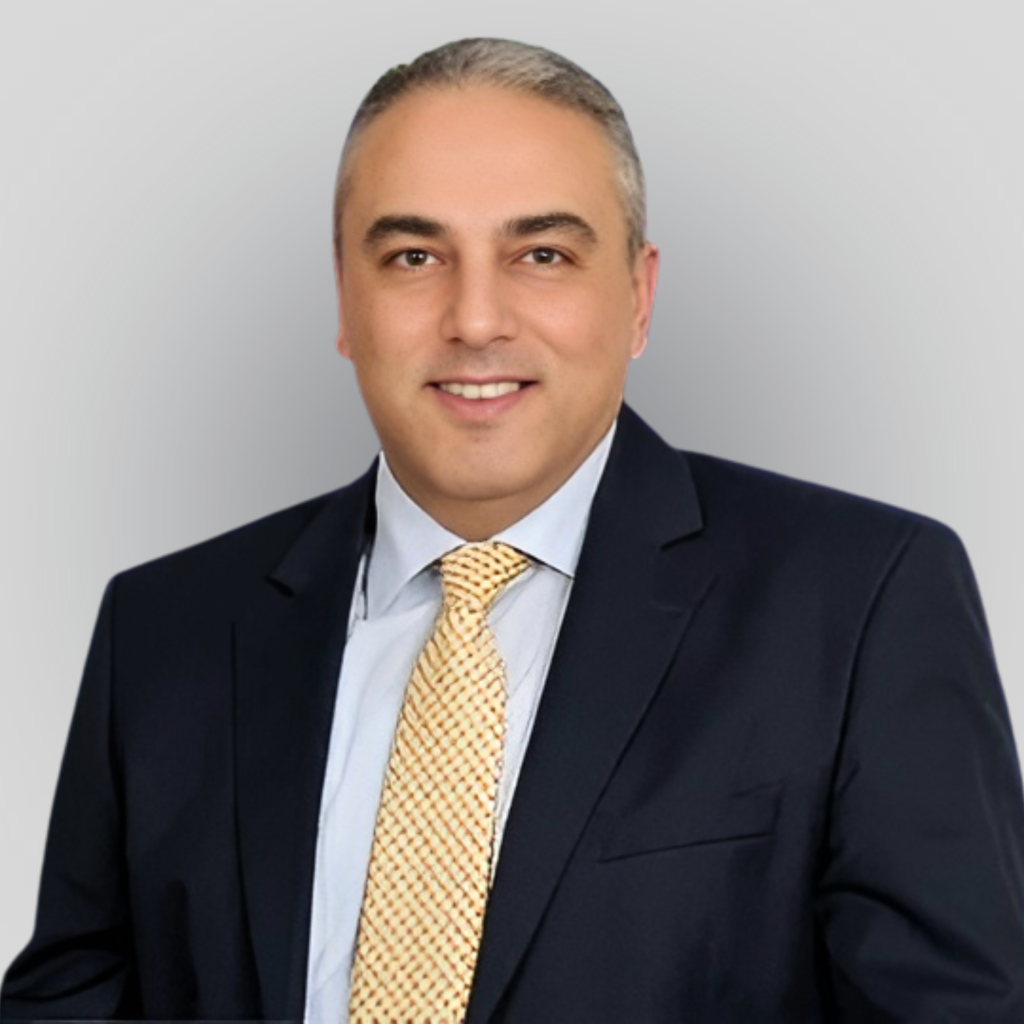
Salih Ahmed Islam is head of internal audit at Floormar, a cosmetics brand operating in more than 100 countries and over 1,000 stores. His work centers on internal audit, enterprise risk, governance, and the practical gap between how organizations are meant to operate and how they actually work on the ground.
Background
Salih has spent more than 25 years building internal audit and enterprise risk management functions across companies in multiple sectors, including steel, energy, construction, consumer goods, and global retail. Earlier in his career, he worked at Arthur Andersen, where he developed the professional grounding that would shape his later career in audit and risk oversight.
He later spent 15 years in a retail company, where store-level audits became a defining part of his work. That experience sharpened his focus on field observation, operational detail, and the way local execution can diverge from what headquarters sees in reports and dashboards. He has consistently worked across functions such as third-party relationships, IT, and governance between headquarters and local markets.
At Floormar, Salih applies that experience to a business with extensive international reach and a large physical footprint. Across his career, his role has been less about validating paper processes than about testing whether they hold up in practice, identifying root causes, and helping management close the gap between formal controls and organizational reality.
Core Expertise
Salih’s core expertise is internal audit, enterprise risk management, and governance. He is known for reading organizations through operational evidence rather than relying on reports alone, with particular strength in retail environments where store execution, inventory flow, and local decision-making can reveal what dashboards miss.
His approach is rooted in observation, follow-up questioning, and root-cause analysis. He pays attention to who speaks in meetings, how quickly bad news moves, whether decisions are genuinely debated, and whether apparent calm is masking unresolved issues. In practice, that means going to stores, speaking with employees, checking whether products are actually on the shelf, and tracing problems back through warehouse, production, and approval processes until the underlying failure is understood.
Academia
The dossier provided for this biography does not include verified details on Salih’s undergraduate education.
The dossier provided for this biography does not include verified details on graduate, executive, or professional education.
No additional academic credentials or certifications were supplied in the dossier.
Key Perspectives that Salih Ahmed Islam Shares on the Podcast
On the episode, Salih argues that organizational distortion usually happens gradually, not through one dramatic act. In his view, bad news is softened, delayed, and reframed as it rises through management layers, while small problems are ignored until companies begin to substitute a comfortable story for reality. He believes leaders should actively create space for uncomfortable truth, reward honesty, and ask better questions rather than rely on polished summaries.
He also emphasizes that real understanding comes from being close to the work. For him, the most useful questions are simple ones: how an organization handles bad news, whether people speak openly, what mistakes have recently been made, and where processes do not work as planned. He returns repeatedly to the idea that the truth is often visible in practice, not in presentation, and that curiosity and disciplined skepticism are learnable habits.
A Quote from this Conversation with Salih Ahmed Islam
“Sometimes the truth is not in the report. It’s on the shelf.”