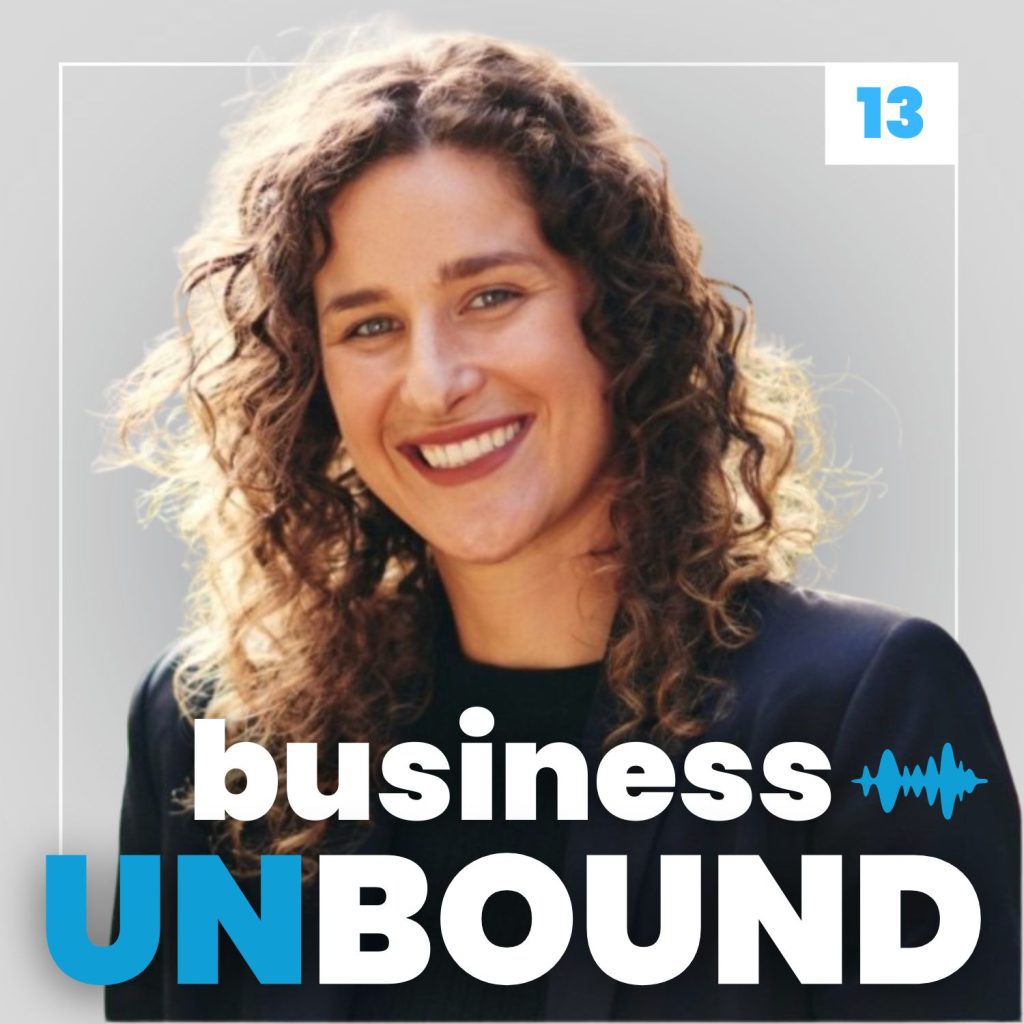

Rosie Popa is an Olympic gold medalist in rowing who set an Olympic record in the women’s four at the Tokyo 2020 Games, and she was awarded the Order of Australia Medal for her contributions to sport. Currently transitioning into a people operations role at Bunnings Warehouse, Australia’s leading home improvement retailer renowned for its people-focused culture that drives year-on-year profits, she combines elite athletic lessons with evidence-based leadership to help corporate teams achieve sustained high performance.
Background
Rosie grew up immersed in rowing, as both her parents were Olympic bronze medalists at the 1984 Los Angeles Games, Commonwealth Games champions, and her father a world champion; they now coach the sport. She began rowing at age 14 in Melbourne, Australia, progressed through the high school and club system, and earned a rowing scholarship to the University of California, Berkeley, where she rowed for the United States during her undergraduate years due to her American mother.
After graduating, Rosie joined the Australian national team in 2015, pre-selected as a leader in her crew, but suffered rib fractures in 2016, missing Olympic selection trials in Rio. Taking a year off for self-reflection, she traveled in South America, worked on a lemon farm in Chile, and rebuilt with a growth mindset, focusing on patience, proper fueling, and joy in the challenge rather than external pressure.
Returning in 2017 to a centralized training program in Penrith, New South Wales, Rosie committed to being on her own team, eliminating negative self-talk. Starting outside the top rotation, she made the world championship-winning crew by year’s end, earning bronze in 2018 despite another rib injury, silver in 2019, and gold with an Olympic record of 6:15.37 in Tokyo 2020 (held in 2021), overcoming COVID delays, solo training in Melbourne for six months, and racing with a new crew that had only 50% typical preparation time.
Post-Tokyo, during Melbourne’s six-month lockdown, Rosie transitioned via guest speaking, an internship at an AI consulting firm, and remote work in athlete mentoring and mental health programs. In March 2022, she joined KPMG in management consulting on the people and culture team, specializing in change management, behavioral change, organizational development, and org design. Recognizing gaps in business fundamentals, she pursued an MBA, then returned part-time to KPMG while discerning her path, opting for in-house impact over advising.
Across elite sport and business, Rosie’s career reflects resilience through setbacks like the 2016 miss and COVID disruptions, culminating in Tokyo gold and a pivot to corporate leadership where she applies high-performance frameworks to drive team success and business results.
Core Expertise
Rosie specializes in translating Olympic-level performance principles to business, focusing on peak execution under pressure, building psychologically safe high-performing teams, and navigating disruption with growth mindsets. She is known for emphasizing process over outcomes, self-advocacy, and creating environments where vulnerability fosters trust and collective excellence.
Her approach integrates mental preparation like rehearsing scenarios to eliminate surprises, reframing anxiety as energy, and simplifying complex plans for effortless execution, as in her Tokyo crew’s five-to-six-word race calls refined over weeks. In business, she applies this to stakeholder alignment, transparent communication during bad news via change champions, and the exploit-explore continuum for balancing operational excellence with innovation. Rosie stresses honoring failures for growth, aligning with value-driven cultures like Bunnings, and fostering compassion alongside rigor for sustainable results.
Academia
Rosie holds a sociology undergraduate degree from the University of California, Berkeley, earned on a rowing scholarship, which built her foundation in understanding human behavior and team dynamics.
She completed the full-time MBA at Saïd Business School, University of Oxford, motivated by gaps in business acumen like finance and balance sheets after entering consulting laterally without traditional hard skills. The program provided a deliberate pause akin to athletic base-building, plugging development holes amid her transition from elite sport.
Throughout, Rosie balanced rigorous academics with her high-performance ethos, viewing education as essential for holistic growth. She embraces lifelong learning, inspired by figures like Rick Rubin, and applies Oxford insights like innovation frameworks to leadership, while prioritizing reflection to avoid mindless momentum.
Key Perspectives that Rosie Popa Shares on the Podcast
Rosie shares that true high performance stems from being relentlessly on your own side through positive internal dialogue, self-compassion in setbacks, and patient foundation-building, as she did post-2016 injury by rediscovering joy in challenge over obligation. She demystifies Olympic success as 15 years of process culminating in six minutes of trust, applicable to business via rehearsed simplicity under pressure.
In the conversation, Rosie reveals how her Tokyo crew thrived via psychological safety for honest feedback, growth mindsets (“we can’t do that yet”), and embracing fear as aliveness. For leaders, she advocates transparent hard conversations, change networks for buy-in, processing failures without attachment to results, and aligning with energizing cultures, proving elite sport frameworks like offense-only focus and process primacy drive corporate wins.
A Quote from this Conversation with Rosie Popa
“What do I need to do to always be on my side?”