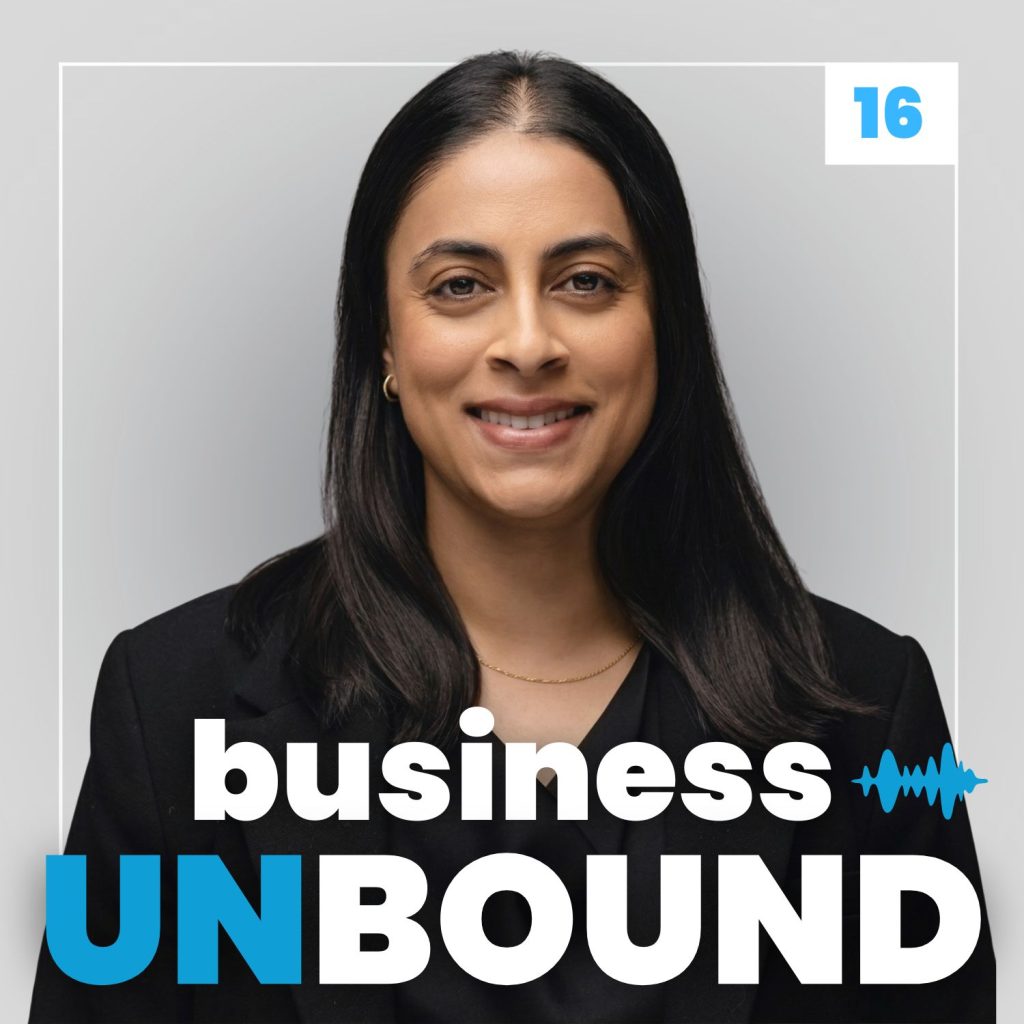
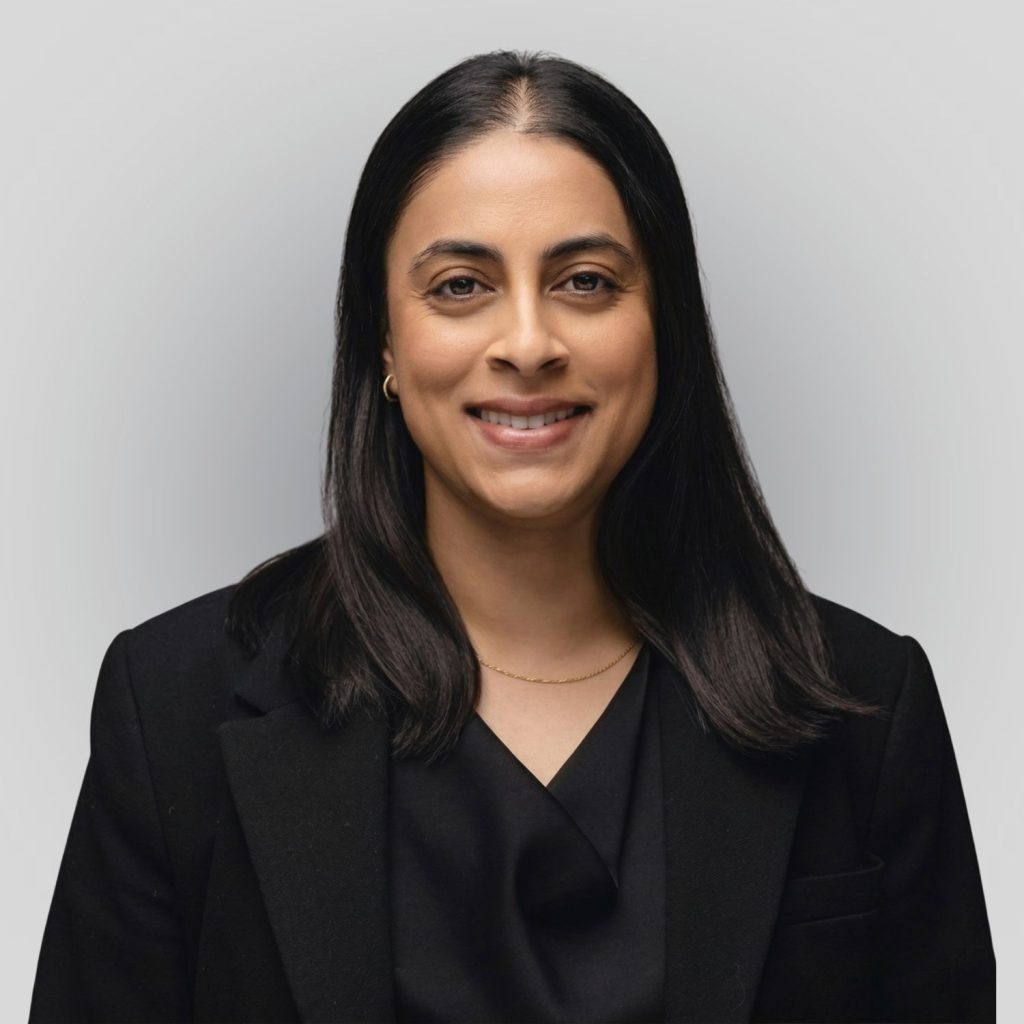
Sara Ahmed is an executive in drug development and biotech program management and strategy. Her work has focused on the business side of moving scientific ideas through the development pipeline, including clinical operations, corporate strategy, and portfolio planning. Most recently, she has led program development at a company developing RNA editing therapies for genetic diseases, with experience spanning early-stage research through clinical execution.
Background
Sara began her career on the West Coast of the United States, initially planning to attend medical school. After college, she worked in hospitals and private practices, including a clinical research role at a private practice in Los Angeles, where she first encountered the for-profit side of healthcare. That early experience gave her a practical view of how care delivery, research, and commercial incentives fit together.
She later moved to Massachusetts to join a contract research organization, where she worked with biotech and pharmaceutical clients at different stages of development. The role gave her exposure to clinical trial operations across jurisdictions and to the large operational costs involved in recruiting sites, managing data integrity, and supporting trial execution. From there, she moved into her first biotech company, where she worked on global clinical operations for gene therapy programs and gained closer visibility into internal strategy, funding, and trial decision-making.
Sara then moved to an earlier-stage gene therapy biotech company, where her responsibilities broadened across the drug development value chain. In her most recent role, she led program management within the corporate strategy and portfolio planning function, helping coordinate the work required to move assets from discovery and pre-discovery into pre-IND and phase 1. Over time, her career has moved progressively closer to enterprise-level decision-making, combining operational detail with a broader view of how biotech companies allocate capital and choose milestones.
Core Expertise
Sara specializes in the business of drug development, with particular depth in clinical operations, program management, and corporate strategy and development. She is known for working at the intersection of science and capital, translating scientific programs into executable development plans and helping teams navigate the operational and financial realities of biotech.
Her experience spans early discovery through phase 3 trial planning, including site management, regulatory coordination, trial oversight, and the practical economics of contract research, manufacturing, and R&D. She also brings a detailed understanding of gene therapy and RNA editing platforms, including the strategic tradeoffs between durable DNA-based approaches and transitory RNA-based therapies. On the podcast, she connected those technical differences to issues of capital efficiency, reimbursement, and commercial structure.
Academia
Sara studied at University of California Los Angeles (UCLA), where she earned her undergraduate degree in biomedical sciences and pursued a science-focused path aligned with an early interest in medicine.
She is currently pursuing an Executive MBA at Yale School of Management, which she discussed as a major influence on how she thinks about biotech, capital allocation, and organizational design, and her pivot into an investment role in life sciences.
Key Perspectives that Sara Ahmed Shares on the Podcast
Sara’s central view is that biotech is fundamentally a capital-constrained industry in which scientific promise is never enough on its own. She emphasizes that most assets will fail somewhere in the development process, so companies need disciplined milestone setting, realistic budgeting, and a clear sense of who the customer and where the market needs are before committing years of work to a hypothesis.
She also argues that the industry’s structure shapes behavior: because biotech firms are often built around a single asset or platform, they are structurally less diversified than larger companies, which makes execution especially unforgiving. At the same time, she sees AI and better knowledge-sharing tools as a meaningful opportunity to reduce duplication in discovery work and make research more efficient. Across the conversation, she returned to the idea that successful leadership in biotech requires both scientific humility and commercial judgment.
A Quote from this Conversation with Sara Ahmed
“Biotech is extremely difficult. I would say one of the most challenging industries out there because as you mentioned earlier, 90 % of things fail.”