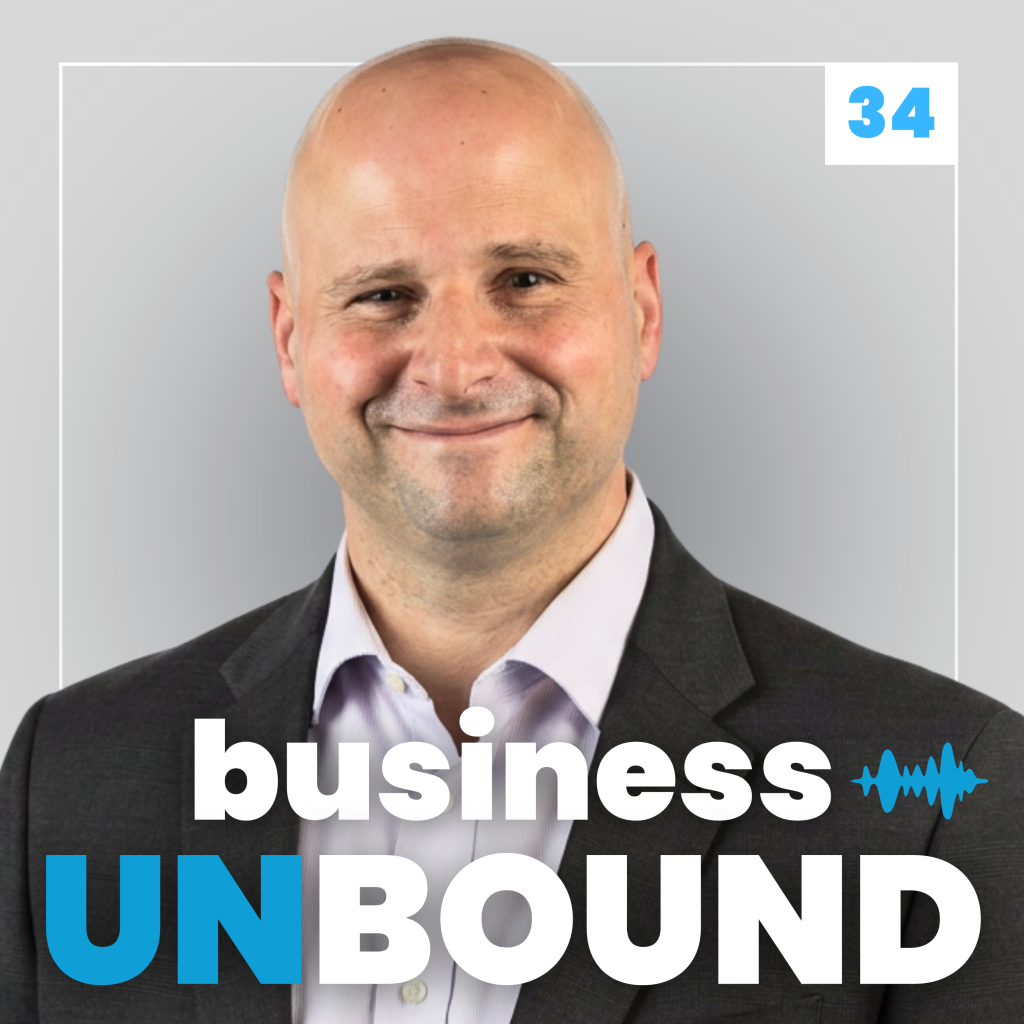

Tony Martignetti is the founder of Hidden Trail Coaching, where he works with leaders on executive development, coaching, and writing. He brings more than three decades of experience across finance, entrepreneurship, business transformation, and advisory work, with a career that has spanned senior operating roles, biotech, and leadership education.
Background
Tony began his professional life in business after an early interest in art and science. He studied pre-med before moving into business and then built an early career in high tech and biotech, where he worked as a finance and strategy professional. In those roles, he focused on deals, business modeling, financial planning, and analytics, developing a combination of commercial rigor and cross-functional judgment that would shape the rest of his career.
He spent roughly 25 years in industry, including work at biotech companies such as Genzyme, where he was involved in major business and finance initiatives. Over that period, he helped raise millions of dollars for biotech companies and took on leadership responsibilities that required him to operate at the intersection of strategy, finance, and execution. His work also included significant operational projects, including the rollout of an enterprise resource planning system that touched nearly every part of the business.
After leaving the corporate world, Tony moved into leadership development, coaching, and writing. He now advises leaders on how to integrate more of themselves into their work, and he uses his own career as a reference point for conversations about judgment, uncertainty, and growth. He is also a TEDx speaker, a contributor to Harvard Business Review, and a guest lecturer at Harvard University. His broader career arc reflects a shift from executing within institutions to helping others think more clearly about how they lead within them.
Core Expertise
Tony is known for finance, strategy, and executive advisory work, particularly in the biotechnology and broader business transformation context. His background as a CFO and finance leader gives him a practical understanding of capital allocation, modeling, planning, and the trade-offs that come with major organizational decisions. He also brings an operator’s perspective to leadership development, which makes his coaching grounded in how senior teams actually function under pressure.
A defining feature of his approach is integrative thinking, bringing together analytical evidence, lived experience, and multiple perspectives before making a decision. He places strong emphasis on judgment built through experience, the disciplined use of data, and the ability to test one’s own assumptions. In practice, that shows up in his preference for challenge, contrarian views, and structured perspective-taking, including exercises that help executives argue against their own cases before committing to a course of action.
Academia
Tony studied at Northeastern University, where he completed his undergraduate education. In the conversation, he notes that he initially pursued pre-med before moving into business, reflecting an early shift from the sciences into commercial work.
His later academic and professional development includes guest lecturing at Harvard University and contributing to Harvard Business Review. In the episode, he also refers to his exposure to executive learning and the ongoing development of his thinking through writing, coaching, and teaching.
Key Perspectives that Tony Martignetti Shares on the Podcast
Tony’s central view is that strong leadership begins with self-trust, but not isolation. He argues that leaders need conviction rooted in who they are, while remaining open enough to bring other perspectives into the room. For him, the difference between good and great leadership is not certainty, but the ability to stay flexible, adapt to reality, and make meaning from competing inputs without surrendering judgment.
He also emphasizes that judgment is built through doing, making mistakes, and learning where to push back versus where to adapt. Across the conversation, he returns to the idea that leaders should not go it alone, should deliberately seek contrary evidence, and should create room for play, experimentation, and alternative frames of reference. He sees both AI and human teams as useful when they expand thinking, but insists that meaning making remains a distinctly human responsibility.
A Quote from this Conversation with Tony Martignetti
“trust yourself first and foremost and allow that to be the guiding process of of how you lead in the world. But don’t be so fixed in in being on your own being alone. Make sure you also keep the door open to other perspectives.”